How to recognize Braxton Hicks contractions.
- What are Braxton Hicks contractions and what are they for?
- How do you recognize a Braxton Hicks contraction?
- What length and frequency are normal?
- How do you tell a Braxton Hicks contraction from a real labour contraction?
- When do they start, and how late in pregnancy can you have them?
- How can you ease the discomfort of Braxton Hicks contractions?
- When should you worry about Braxton Hicks contractions?
What are Braxton Hicks contractions and what are they for?
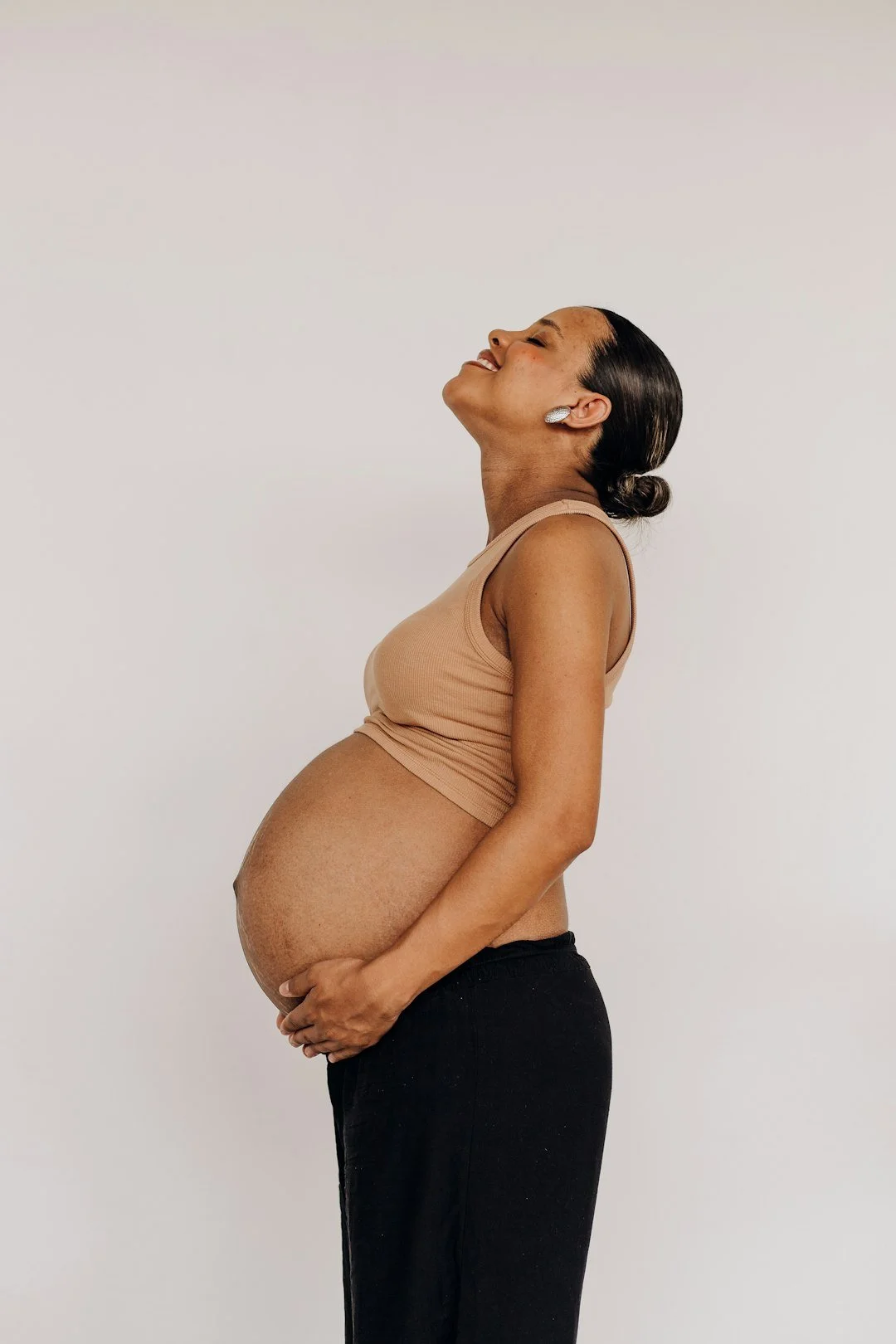
Braxton Hicks contractions, often called "practice contractions", are irregular contractions of the uterus, usually painless or only mildly uncomfortable, felt during pregnancy — mainly in the second and third trimesters. They're completely normal and are one of the ways your body gets ready for birth.
Also known as "false contractions", these sensations can be surprising at first and raise questions about how they differ from real labour contractions.
Did you know?
Ysé Naissance doulas can complement your prenatal care. They offer complete support so you can prepare and feel fully informed about the steps ahead.
Discover the prenatal classesHow do you recognize a Braxton Hicks contraction?
This is a question I'm asked all the time: how do you tell a Braxton Hicks contraction from a labour contraction? Here are the main signs:
What length and frequency are normal?
How long a Braxton Hicks contraction lasts varies from person to person, but most last less than 60 seconds. How often they come varies a great deal too: you might feel several in a single hour, then nothing for a few days.
Braxton Hicks contractions come and go and don't build: you might feel them several times a week or every day, but they don't get significantly stronger or more regular unless labour is starting.
How do you tell a Braxton Hicks contraction from a real labour contraction?
Here's a table to make the comparison easy:
| Features | Braxton Hicks contractions | Labour contractions |
|---|---|---|
| Regularity | Irregular, spaced out, unpredictable | Regular, close together |
| Intensity | Steady or fading; uncomfortable rather than painful | Builds steadily; painful |
| Length | Short: 30 to 60 seconds as a rule | Starts around 30 sec and gets longer as labour progresses |
| Effect of rest or changing position | Fade or disappear | Persistent, not relieved by rest |
| Change to the cervix | No change | The cervix changes and gradually opens |
| Other signs | No bleeding and no fluid loss | May come with discharge or your waters breaking |

Meet our team
Different personalities, one dedicated team, so you get support that fits who you are.
Book a discovery callWhen do they start, and how late in pregnancy can you have them?
Most of the time Braxton Hicks contractions start in the second trimester, sometimes even earlier without being noticed. They become more frequent as the third trimester approaches, as the uterus prepares for birth.
They usually continue until active labour begins, though you may still feel a few during the latent phase just before birth.
How can you ease the discomfort of Braxton Hicks contractions?
Even though these contractions are usually harmless, they can become bothersome, especially at the end of the day or when you're tired. Here are my gentle tips for living with them:
If you often feel Braxton Hicks contractions, it doesn't mean anything is going wrong with your pregnancy. It's actually proof that your body is doing its preparation work!
When should you worry about Braxton Hicks contractions?
They're normal, but there are certain signs that mean you should see a health professional quickly:
* This article does not replace your doctor's advice. Always seek the direct opinion of a professional.

Remember that every pregnancy is unique
Choosing a birth doula can make all the difference to how you experience becoming a parent.
Find all of the childbirth preparation services on offer as well as the reviews families supported by the Ysé Naissance team ⭐️⭐️⭐️⭐️⭐️