Resources for a calm pregnancy

Postpartum home support: rest while we look after your family
Postnatal home support ("relevailles") is postnatal care in your own home: a trained person comes to you after the birth to support you with rest, caring for your baby and organizing daily life. The French word comes from the idea of "getting back on your feet" after childbirth — that time when you slowly rebuild your strength.

3 pressure points to ease labour pain
Pressure points are a natural way to relieve pain during labour, drawn from acupressure and reflexology

Membrane sweeping to induce labour: 6 things to know
A membrane sweep, or stripping of the membranes, is a simple technique used to try to bring on labour naturally when your due date is approaching or has passed… Find out more

How to recognize Braxton Hicks contractions.
Braxton Hicks contractions, often nicknamed "practice contractions," are irregular contractions of the uterus, generally painless or only mildly painful, felt during pregnancy.

Colostrum: 6 things to know
Colostrum is the very first breast milk, produced during pregnancy and in the first few days after your baby is born.

The nuchal translucency scan: 9 common questions
While the exam itself needs no special medical preparation, being mentally ready matters just as much.

Your period after birth: the guide
The question of when your period will come back, also known as the resumption of menstruation, is one of the main concerns after childbirth. The answer varies a great deal from one woman to the next, but a few things can help make it clearer.

Labour contractions in 8 questions.
Labour contractions are the tightening and releasing of the muscles of the uterus. They are the "engine" that opens the cervix and moves your baby down towards birth.

The umbilical cord: 7 common questions
Most cord stumps fall off without any trouble, but some signs call for a prompt visit to a health professional.

Doulas and midwives: their roles in 12 points
I'm often asked about the differences between a doula and a midwife, two key professionals in childbirth support, and how they complement each other.
Here's what makes each of them distinctive, to help you understand their roles better:

Pregnancy care without a family doctor: what to do
In Quebec, it's unfortunately not unusual to find yourself without a family doctor just as you discover you're pregnant 🤰. Don't panic! The system offers several effective, safe alternatives. Find out more

Losing your mucus plug: 5 signs to watch for.
The mucus plug is a gel-like substance made of mucus, produced by the cervix from the very start of pregnancy. Its job: to protect the fetus from infection by forming a barrier at the cervix.

the 7 benefits of acupuncture during pregnancy
Acupuncture, based on the circulation of vital energy (Qi) through the body, aims to restore the energetic balance disrupted by pregnancy.

5 birth positions to ease the pain.
Birth is a one-of-a-kind moment in a woman's life, and choosing the right birthing position can make a real difference to the mother's comfort, the length of labour and the baby's well-being.

When to start prenatal classes? From week 29.
Once you've found the pregnancy care that suits you, it'll come naturally to start finding out about how your birth will unfold.

Group prenatal classes: sign-up, timing and benefits
Welcome to the ultimate guide to group prenatal classes in Montreal! Follow the guide and find out everything you need to know about signing up, the ideal timing and the hidden benefits of prenatal classes in Quebec's biggest city.

Breastfeeding in Montreal: 3 local resources and supports
Breastfeeding is an important stage in the journey of many mothers in Montreal. That said, it can also raise questions and challenges, and sometimes doubts. Fortunately, Montreal is full of resources and support for mothers on this adventure.

Prenatal classes in Montreal: a worthwhile investment for parents-to-be
You're about to welcome a child in Montreal and you're wondering whether prenatal classes are really worth it? Look no further — here's why these classes are a must for expectant parents.
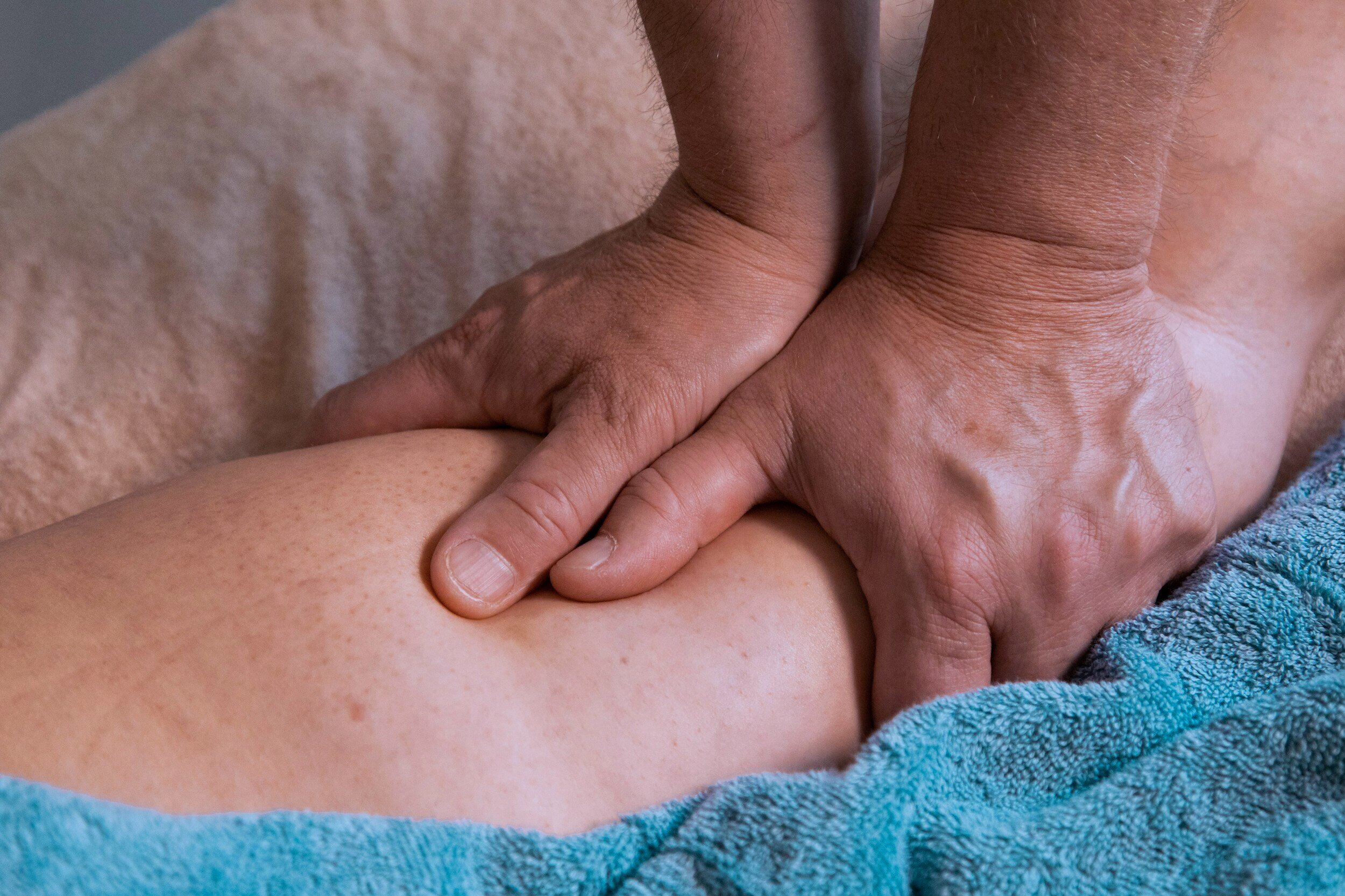
7 tips for a faster labour
In this article, I'll share a few tips and pieces of advice to speed up a process that can sometimes feel never-ending. So, ready to meet your baby?
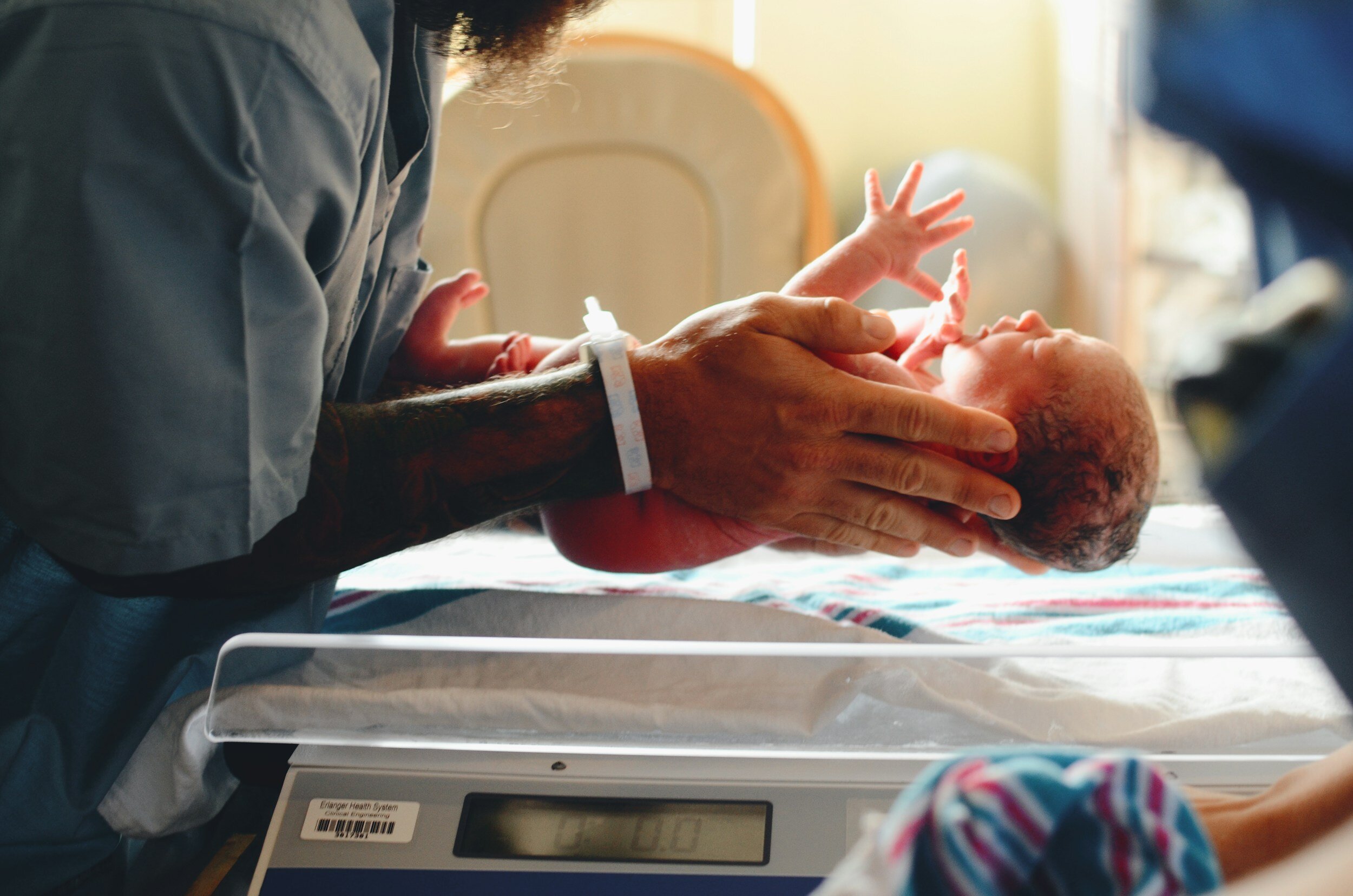
Birth story: baby E.'s arrival
It's September 27, nearly 10 p.m., and I get a message from your mom. She has back pain that comes and goes and she asks me whether it could be the start of labour. We're exactly 41 weeks that day. We exchange a few messages, and your mom describes other small signs that confirm what I'm thinking: you'll be here soon…