3 pressure points to ease labour pain
Pressure points, widely used in the Bonapace method, are a natural, effective approach to managing pain during labour. Developed in Quebec, this method is built on specific pressure techniques drawn fromacupressure and neurophysiology.
It aims to strengthen the co-parent's role and provides real, concrete relief.
The key principles of the Bonapace method are:
❤️🩹 Less pain using simple techniques.
🤜 Active involvement of the partner to build emotional and physical support.
🌸 Encouraging a physiological birth alongside medical care.
From theory to practice
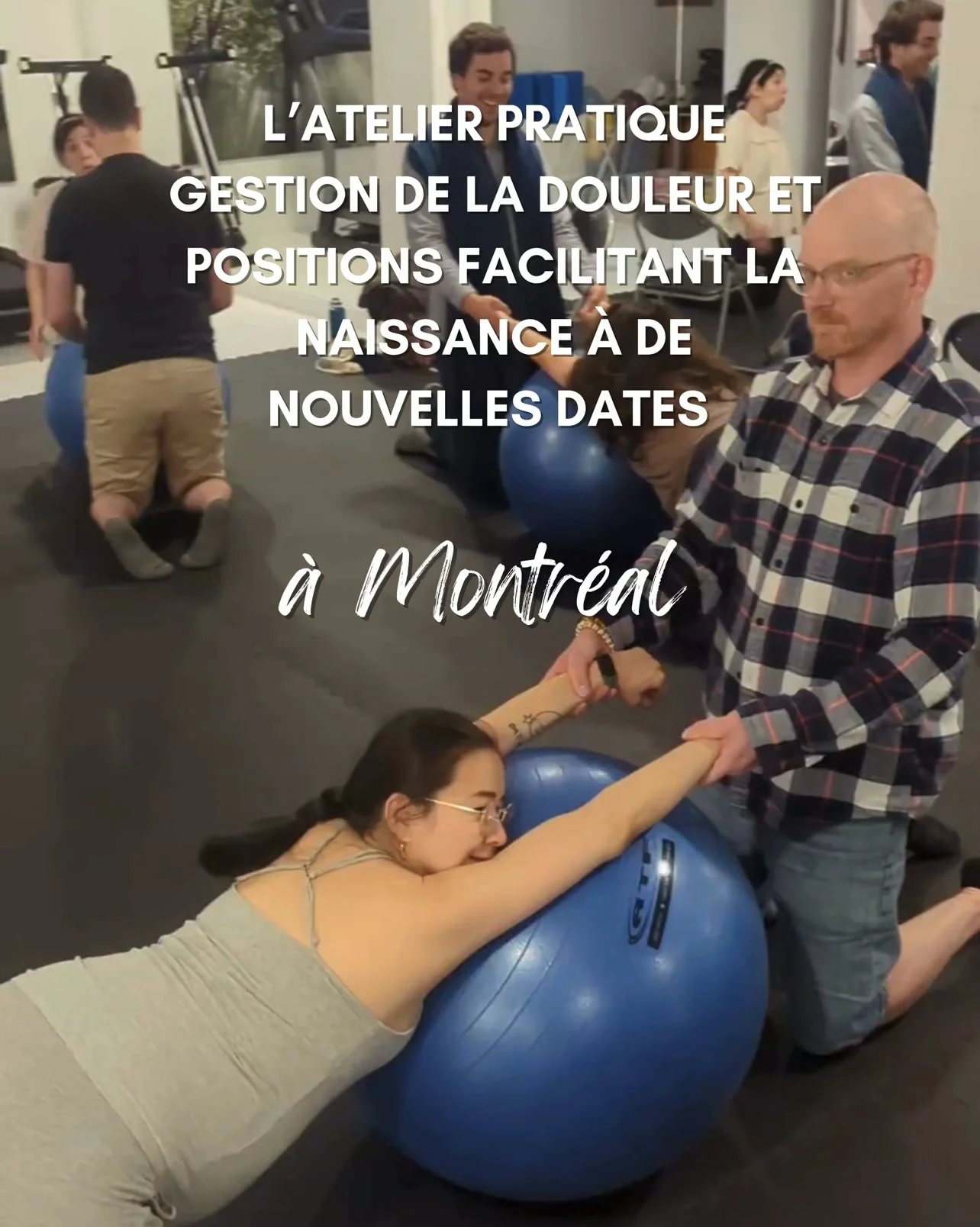
Our group workshops let you practise hands-on, with your partner, the pressure points, breathing and positions that ease pain. A welcoming setting to prepare calmly, alongside other expecting parents. Insurance receipts available.
What are pressure points?
Pressure points are specific areas of the body where applied pressure can trigger beneficial responses, pain relief in particular.
These techniques draw on principles borrowed from reflexology and acupressure, disciplines rooted in traditional Chinese medicine.
Here's how they work to ease pain during labour:
🧠 Nerve stimulation: by activating specific points, you partly block the pain signals sent to the brain.
💛 Endorphin release: pressure encourages the body to produce natural hormones that dull pain.
🧘🏽♀️ Muscle relaxation: it eases tension and helps you manage stress better.
Together, these effects make pressure points a natural way to work with contractions and improve comfort during labour.
The pressure points to know for easing labour
✋ Hand point (Hoku/LI4) : located between the thumb and index finger, it helps relieve contraction pain and encourages a state of relaxation.
🦵 Ankle point (Sanyinjiao/SP6) : just above the inner ankle bone, it stimulates the progress of labour and regulates contractions.
💃 Lower back point (BL32) : in the hollow of the sacrum, it's ideal for reducing the intensity of contractions in active labour.


These points, easy to locate, are often used alongside techniques such as acupressure or the Bonapace method, which counts on their effectiveness for a more comfortable birth.
Learn these techniques in a private class
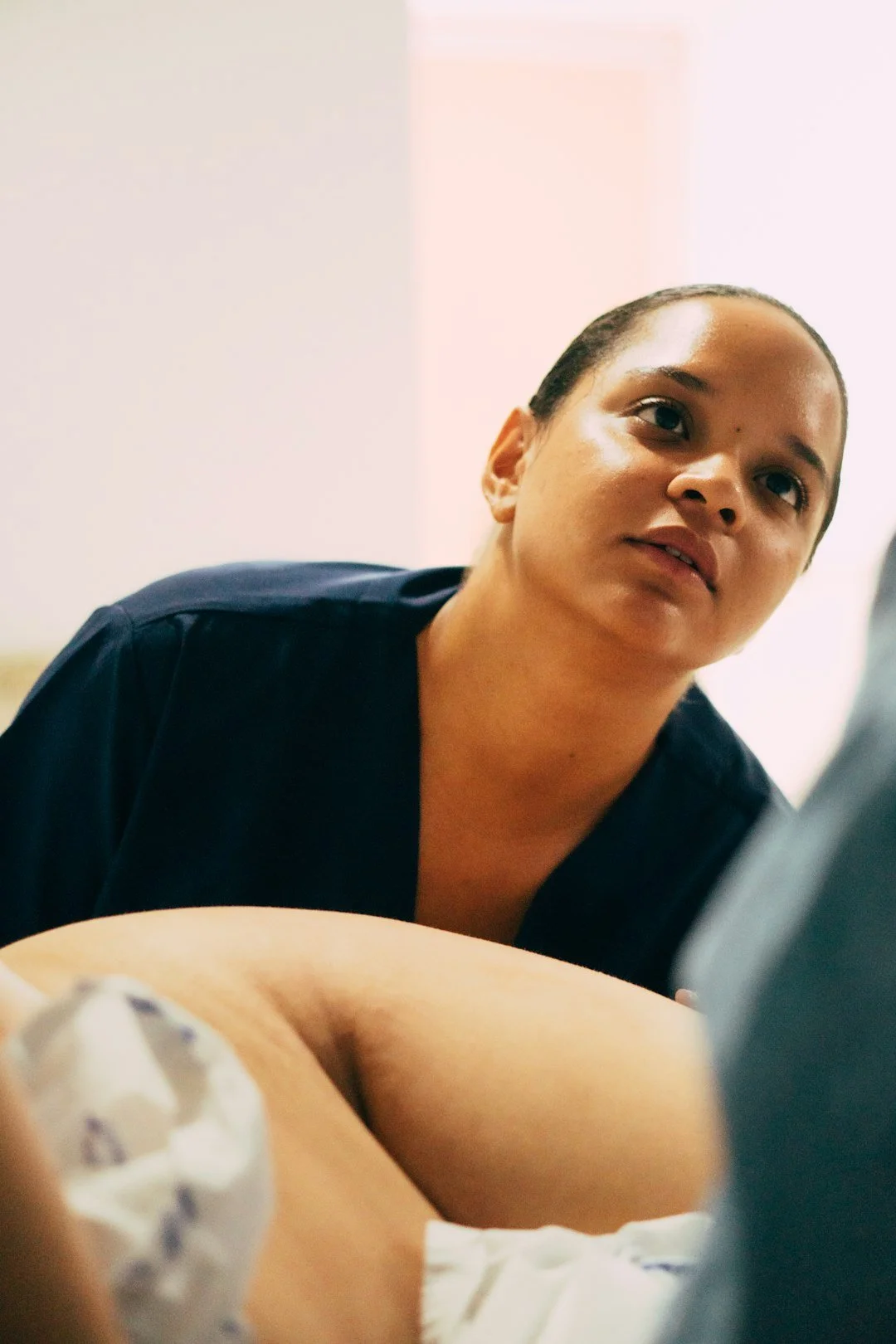
Our certified doulas train you and your partner in the full Bonapace method: pressure points, breathing, positions. Sessions at your home, at your own pace and covered by private insurance.
How do you use pressure points?
Techniques for effective pressure
Apply firm but not painful pressure with your fingertips, your thumb, or even a soft tool like a massage ball. Hold the pressure for the length of the contraction, then release.
Pressure points can be combined with several techniques to maximize their effect and give you greater relief during labour:
💆♀️ Massage : relaxing tight muscles, alongside relief from contractions.
🌬 Breathing techniques : deeper relaxation and less pain.
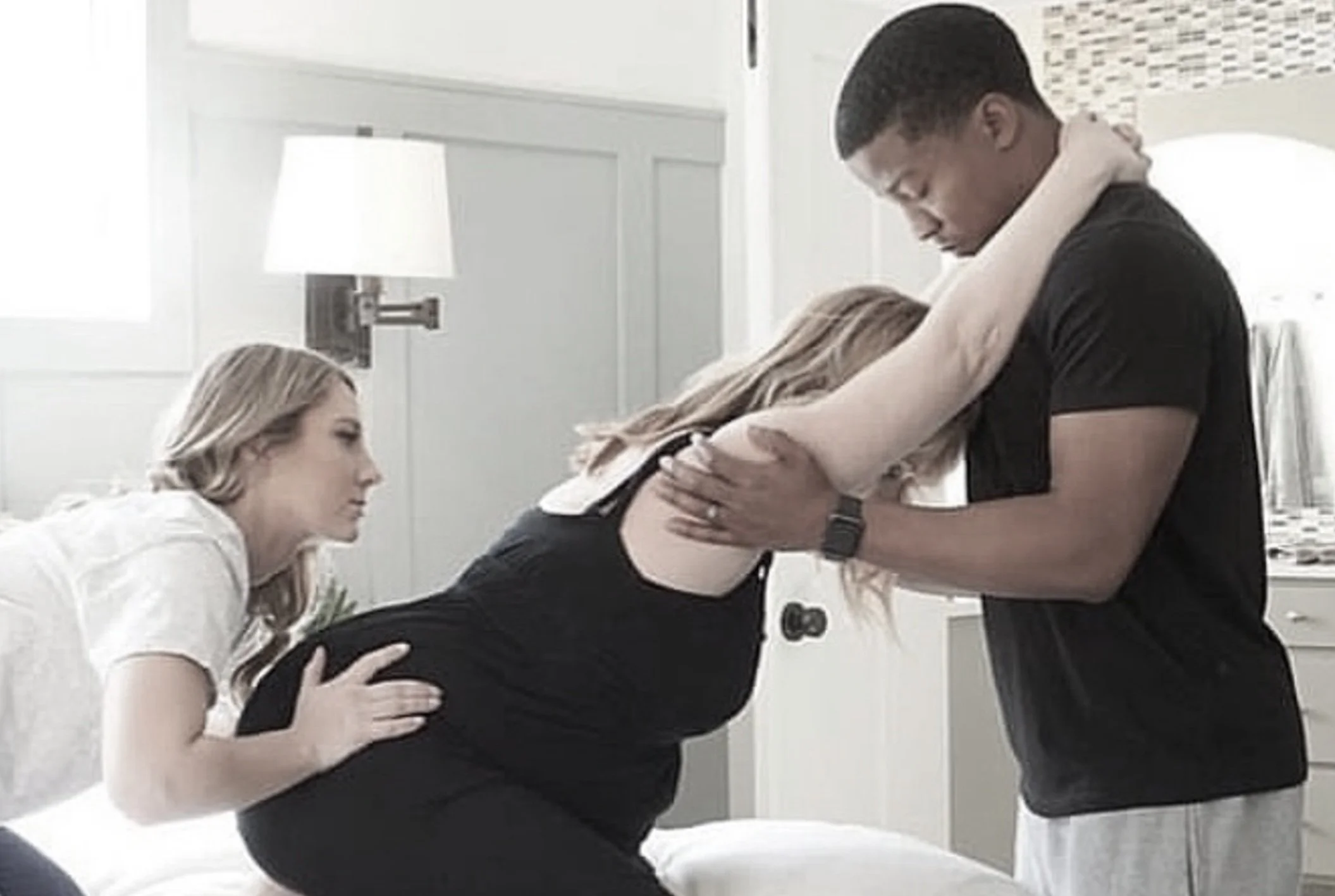
🧘🏽♀️ Mobility and positions : help labour along while targeting areas of tension, and help baby descend into the pelvis.
🔥 Heat or cold : stimulating the points while using hot or cold compresses.
☁️ Visualization : works with the points to sharpen focus and deepen relaxation.
Together these methods offer well-rounded support for managing pain.
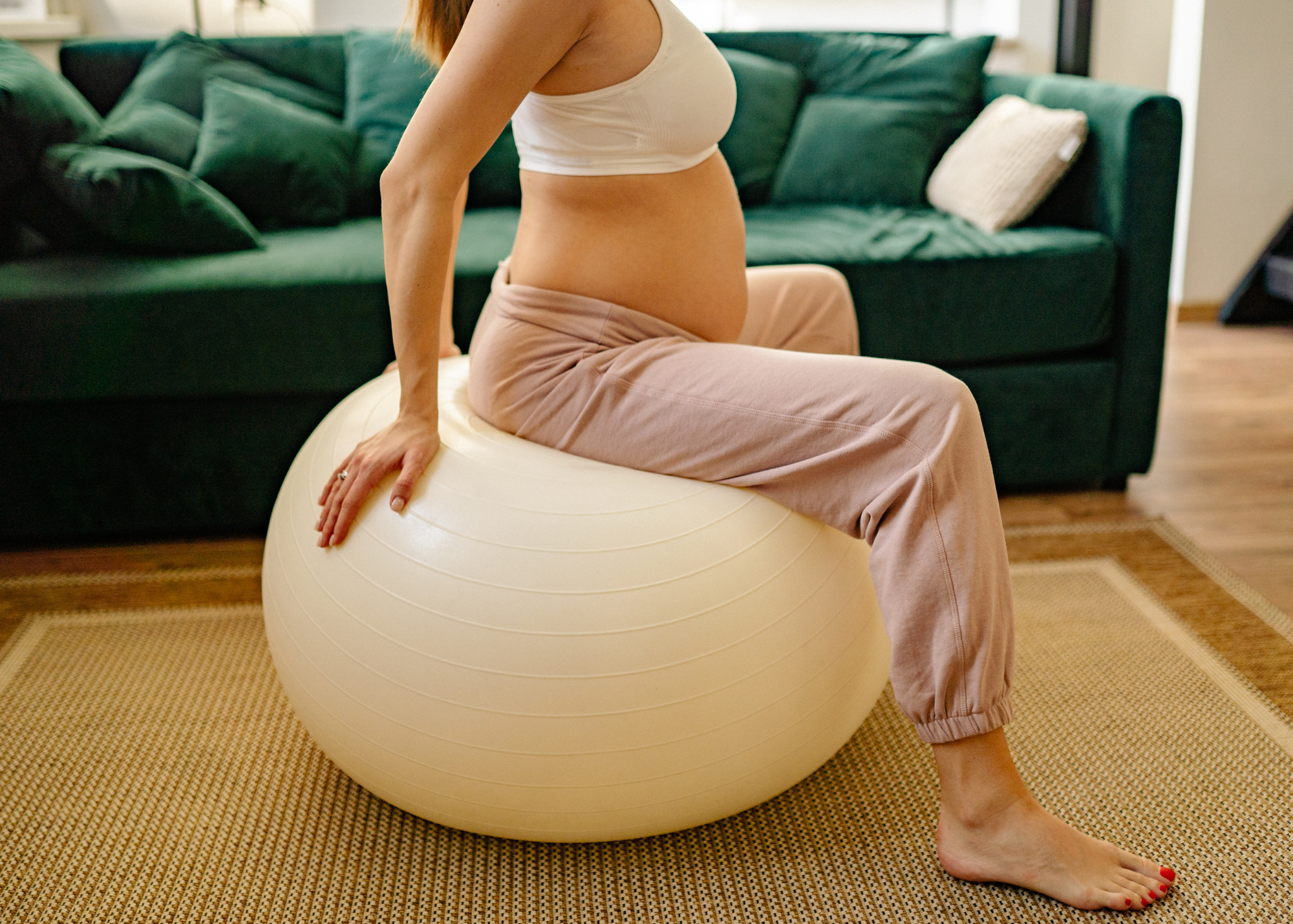
Every position for a gentler birth
An illustrated guide from our doulas: the positions that help baby descend, ease pain naturally and support every phase of labour. Free to download.
Tips for finding the points
Find the tender or slightly hollow spots using diagrams or instructions. Whoever is applying the pressure should stay attentive and adjust to keep the mother-to-be comfortable.
If you'd like to practise with a professional, join us at the group prenatal classes. Together we go over the positions and techniques that ease pain during labour.
Is it safe for everyone?
Precautions to take
Pressure points are generally safe when applied correctly, but some precautions are needed.
Apply moderate pressure and adjust to how the person is feeling. Always check with a health professional before using these techniques, especially if there are medical complications.
When should you avoid pressure points?
❌ In the case of a high-risk pregnancy, complications such as threatened preterm labour, or if certain points cause intense discomfort, it's best to avoid them. Use during labour, not during pregnancy.
Learning how to manage pain during labour is a real asset for going into that moment with calm and confidence. Practical tools like pressure points and breathing techniques are invaluable for experiencing birth more gently and more mindfully.
I offer birth support services, online or one-on-one, tailored to your needs.
These services are reimbursed by some insurance plans, offering complete support at every step. Contact me for more information!
Sources:
This article is for information only and does not replace the advice of a health professional.
About to give birth?
You don't have to get through your first weeks alone. Our doulas come to your home after the birth to watch the baby, make a hot meal or simply let you sleep. A real hand as you settle in as a family of three. Insurance receipts available.
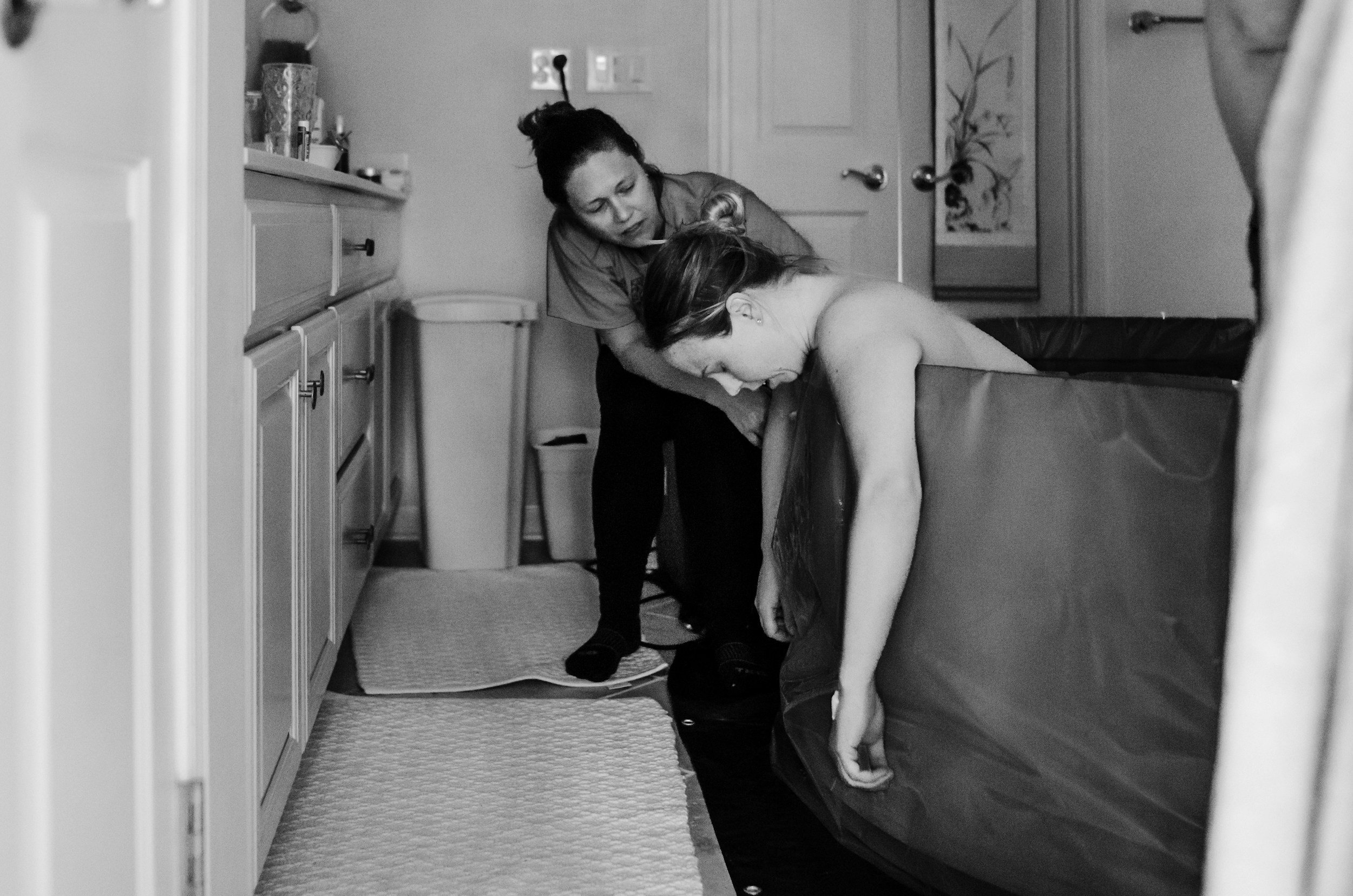
Remember that every pregnancy is unique
To go further with pain management techniques for labour, download the free ebook.
Find all of the childbirth preparation services I offer as well as the reviews families I have supported. ⭐️⭐️⭐️⭐️⭐️